
ไทย
มีพระพุทธานุญาตในพระวินัยให้พระสงฆ์ทำสังฆกรรม คือประชุม และตกลงญัตติต่างๆ ภายในเขตสิมา ซึ่งรวมไปถึงญัตติจตุตถกรรมวาจาเนื่องด้วยพิธีอุปสมบท
ในสมัยพุทธการสีมานั้นใช้สิ่งธรรมชาติเป็นขอบเขตเช่นภูเขา ต้นไม้ใหญ่ หรือลำธารเป็นต้น ปัญหาต่อมาคือสีมาที่ใหญ่นั้นอาจจะครอบคลุมหลายวัด ทำให้รวมพระสงฆ์ทุกรูปเพื่อกระทำสังฆกรรมในสีมานั้นได้ยาก
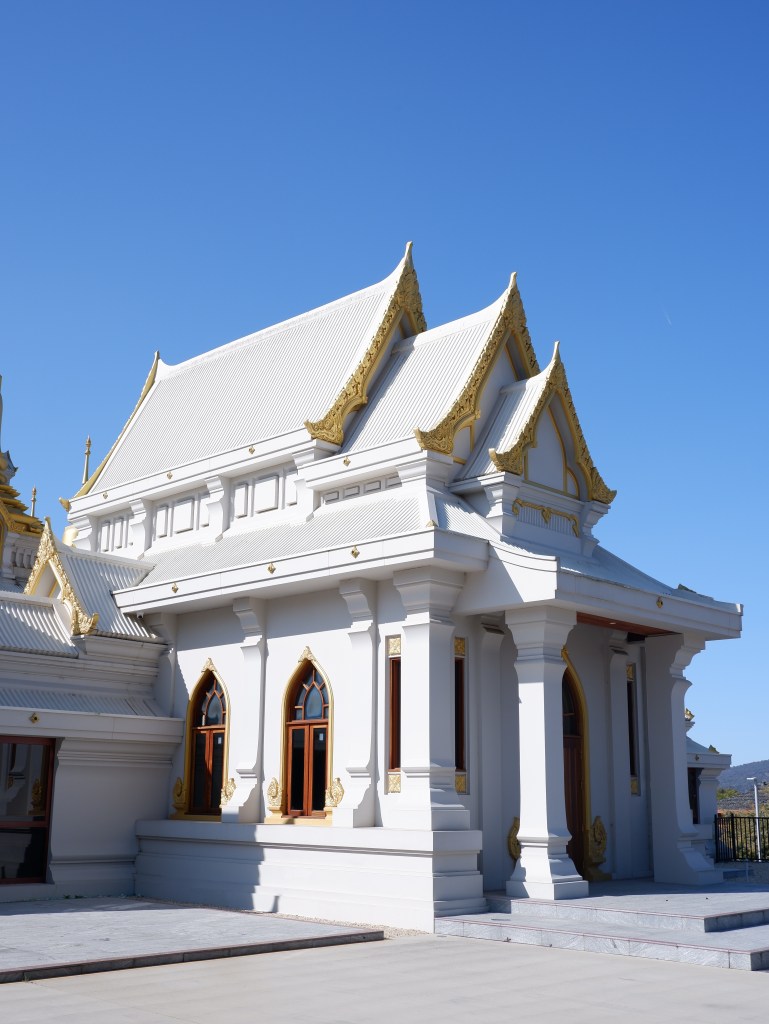
ในปัจจุบันในประเทศไทย แต่ละวัดจะผูกสีมารอบอาคาร พระอุโบสถ เป็นส่วนมากโดยมีศิลาหรือลูกนิมิตเป็นเครื่องหมายแสดงเขตพัทธสีมานั้น
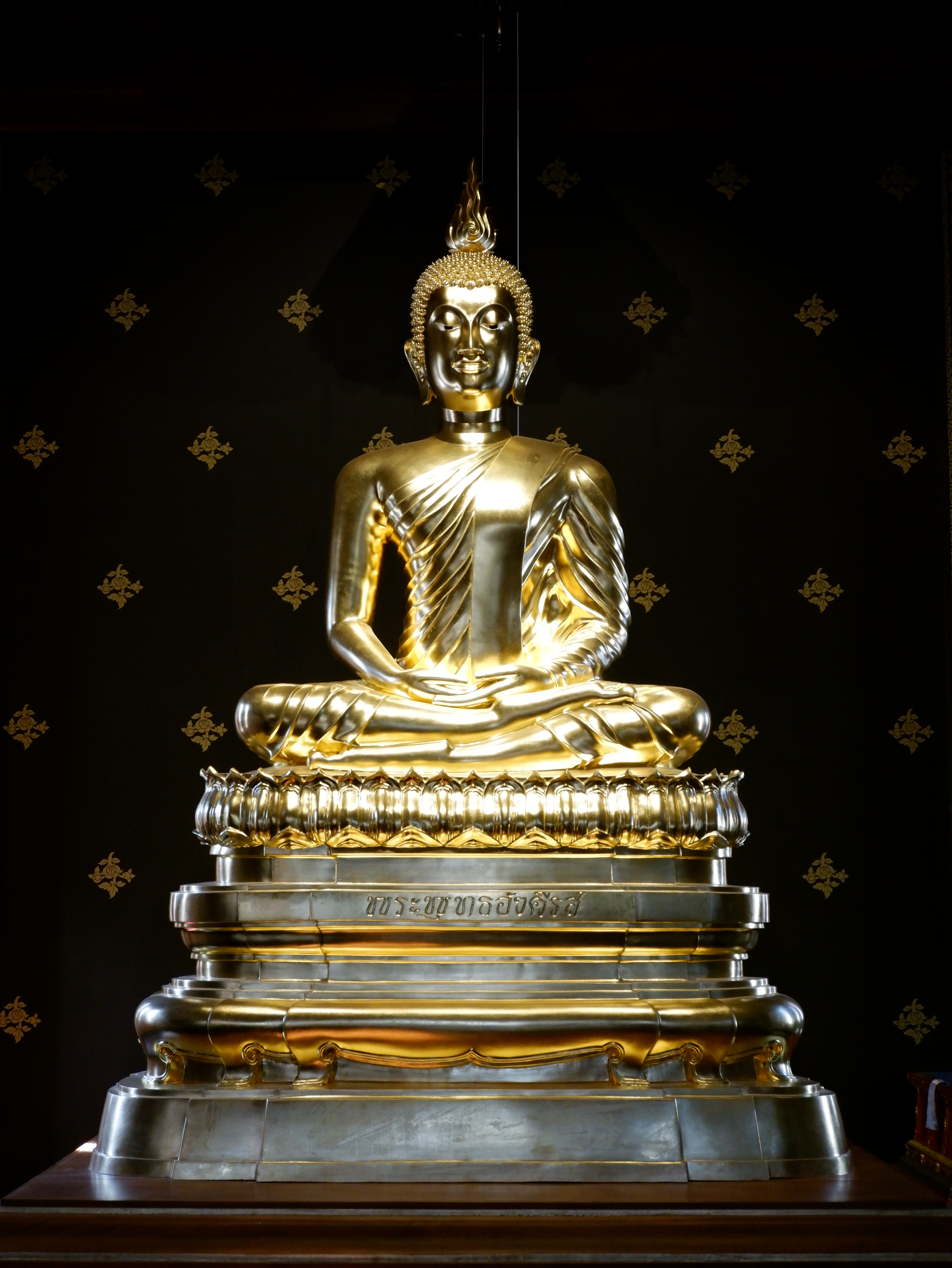
สมเด็จพระอริยวงศาคตญาณ สมเด็จพระสังฆราชสกลมหาสังฆปรินายก องค์ประธานอำนวยการก่อสร้างโครงการเขตพุทธาวาสเฉลิมพระเกียรติทรงมีพระวินิจฉัย และทรงประทาน พระพุทธอังคีรส ซึ่งจำลองจากพระอุโบสถวัดราชบพิธสถิตมหาสีมาราม กรุงเทพมหานครฯ เป็นพระประธานของวัดธัมมธโร ถือเป็นพุทธศิลป์ไทยชิ้นเอกในสมัยรัชกาลที่ ๔ ที่มีพระวรกายคล้ายมนุษย์จริง และมีจีวรเป็นริ้วตามธรรมชาติ
อังคีรส เป็นอีกพระนามของพระพุทธเจ้า ซึ่งมีความหมายว่า ผู้มีรัศมีซ่านออกจากพระวรกาย
English
The Vinaya, or Monastic discipline, laid contains community transactions or motions that must be performed by all monks present in a recognised territory. These monastic meetings include the fortnightly recitation of the Patimokkha rules, disciplinary motions, motions to settle disagreements and most notably motions within the Ordination procedure.
During the time of the Buddha, such territories had natural boundaries such as rock formations, large trees or bodies of water. However it was difficult to account for all monks in that particularly large territory.
Today, the practice in Thailand is to recognise and consecrate a much boundary markers around a dedicated Hall, the Uposatha Hall.
The main Buddha Image inside this new Uposatha Hall is a replica of the Phra Buddha-Angirasa Buddha Image at Wat Rajabopit, Bangkok, seat of the current Supreme Patriarch of Thailand.
Angirasa is an epithet of the Buddha meaning “One who emanates an Aura from One’s body”. This Buddha image was made in the reign of King Rama IV, who had a vision to create Buddha images with more human likeness.


 WAT DHAMMADHARO | วัดธัมมธโร